.png)
Is Paint Correction Permanent? What Really Lasts
A vehicle can leave a paint correction appointment looking dramatically different: deeper gloss, cleaner reflections, and far fewer swirls staring back at you in the sunlight. But is paint correction permanent? The honest answer is no - not in the sense that corrected paint can never be scratched, swirled, oxidized, or damaged again. What is permanent is the removal of the defects that were safely corrected from the paint at that time.
That distinction matters. Paint correction is not a cover-up and it is not a temporary shine product. It is a precision process that improves the actual paint surface. With proper care afterward, those results can look exceptional for years. Without protection and good wash habits, fresh defects can begin to take away from that finish much sooner.
Is Paint Correction Permanent Once Defects Are Removed?
Paint correction removes or reduces visible imperfections by leveling the clear coat surrounding them. Most modern vehicles have a colored base coat covered by a clear protective layer. Light scratches, wash swirls, haze, water-spot etching, and oxidation often sit in or affect that upper clear-coat layer.
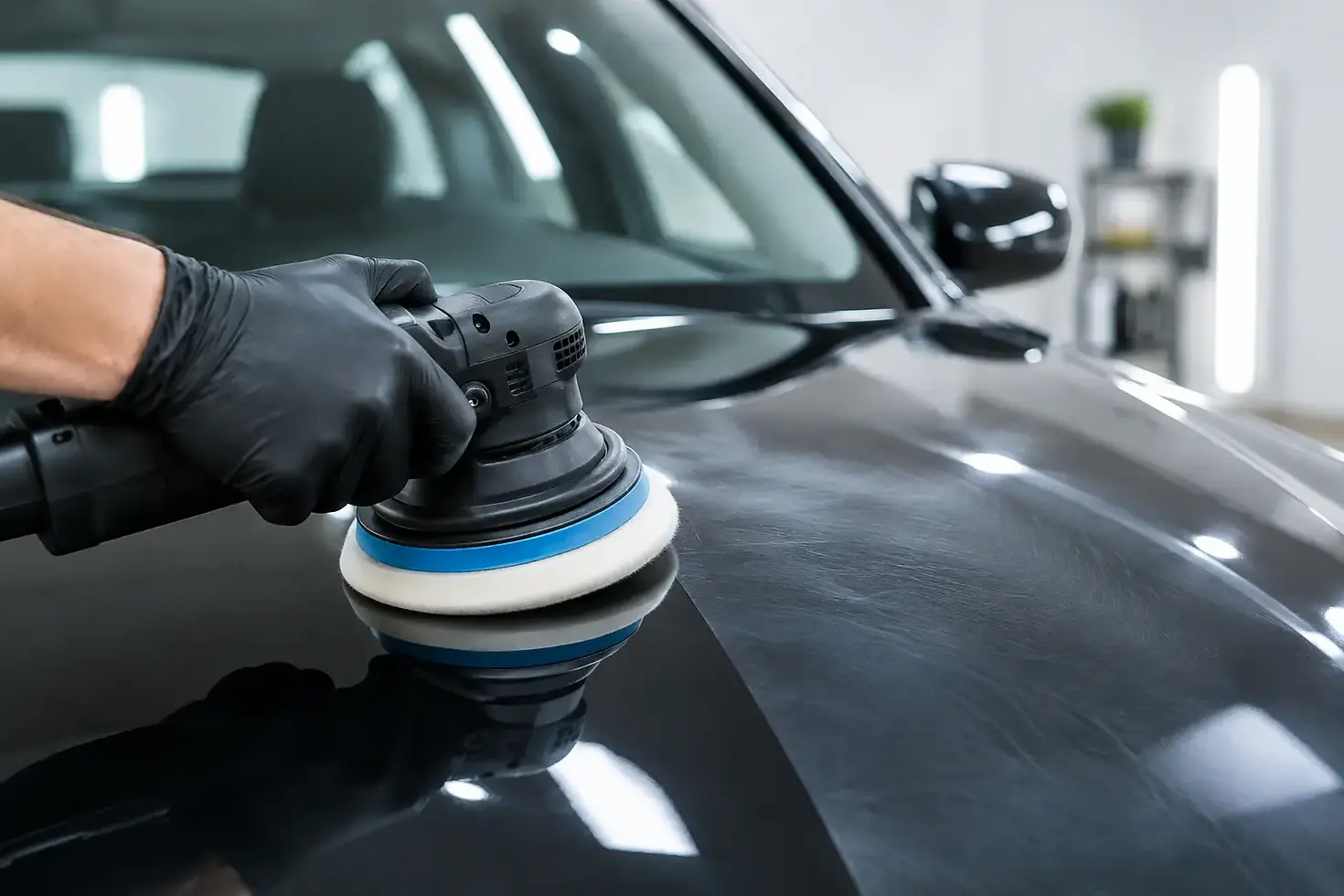
A trained detailer uses machine polishing, appropriate pads, and carefully selected compounds to refine that surface. Rather than filling defects with oils or glazes that disappear after a few washes, true correction permanently removes a very small amount of clear coat around many defects so the surface becomes more level. The scratch or swirl that was removed does not simply come back on its own.
However, the vehicle is still exposed to real life. Improper washing can create new swirls. Road grit can cause fresh scratching. Bird droppings, tree sap, industrial fallout, and hard-water minerals can etch or stain paint if left too long. Paint correction restores the finish you have; it cannot stop future wear without help.
Why a Corrected Finish Can Change Over Time
The condition of corrected paint after six months, one year, or several years depends less on the correction itself and more on what happens after the vehicle leaves the shop. A daily-driven commuter parked outside in South Central Pennsylvania will face a different set of challenges than a weekend vehicle kept in a garage.
Winter salt, slush, and dirty roads can leave abrasive residue on lower panels. Spring pollen and summer sun add their own problems. A quick tunnel wash with worn brushes may be convenient, but it is one of the fastest ways to put circular swirls back into a freshly polished finish. Even well-meaning hand washing can cause marring when dirty towels, harsh chemicals, or poor technique are involved.
Clear coat is also not unlimited. Because correction works by refining the surface, it should be approached with restraint and skill. A quality detailer measures paint where appropriate, chooses the least aggressive method that will produce a meaningful improvement, and does not chase every deep scratch at the expense of the vehicle's long-term paint health. Honest work means knowing when an imperfection should be safely improved rather than completely removed.
Not Every Scratch Can Be Corrected Away
If a scratch catches a fingernail, reaches the color coat, or exposes primer or metal, polishing alone will not make it disappear permanently. It may be softened and made less noticeable, but it needs touch-up paint or body repair for a true repair.
The same applies to peeling clear coat, severe oxidation, rock chips, and damaged paint from an accident. Paint correction can make surrounding panels look better, but it cannot rebuild missing material. Setting that expectation upfront protects both the finish and the customer from disappointment.
Paint Correction vs. Paint Protection
Paint correction and paint protection work best together, but they do different jobs. Correction addresses existing appearance issues. Protection helps reduce the chance that the improved finish quickly becomes marred or contaminated again.
A quality ceramic coating adds a durable protective layer that makes washing easier, improves water behavior, and helps shield paint from common environmental contamination. It can add a rich, crisp look to freshly corrected paint and reduce the friction that contributes to wash-induced marring. It does not make a vehicle scratch-proof, chip-proof, or maintenance-free.
Paint protection film provides stronger defense against rock chips and physical impacts on covered areas, especially high-impact zones such as front bumpers, hoods, mirrors, and rocker panels. Wax and paint sealants can also offer useful protection, though they generally require more frequent reapplication than a professionally installed ceramic coating.
The right option depends on how the vehicle is used, where it is parked, its paint condition, and the owner's expectations. A family SUV that sees school drop-offs, highway miles, and outdoor parking needs a practical protection plan. A garage-kept enthusiast vehicle may justify a more intensive correction and coating package focused on preserving a show-quality finish.
How Long Does Paint Correction Last?
The visual improvement from paint correction can last for years because removed defects stay removed. The “just corrected” look, though, can begin to fade as new defects accumulate. For a carefully maintained vehicle, a corrected finish may retain its clarity and gloss for several years before it needs more than a light polish. A vehicle that regularly goes through automated brush washes may show new swirls within months.
There is no one-size-fits-all timeline. Softer paint tends to mar more easily, while harder paint may resist lighter scratching but require more effort to correct. Dark colors reveal swirls and haze more readily than silver, white, or light gray. Parking outside, driving on gravel roads, frequent highway travel, and how often the vehicle is washed all affect longevity.
This is why the best paint correction service starts with an inspection and a conversation. A one-step polish may be the smart choice for a well-kept daily driver that needs a major gloss improvement without pursuing perfection. A multi-step correction may be worth it for a newer vehicle, a special car, or an owner who wants the highest possible finish before applying long-term protection.
Keeping Corrected Paint Looking Its Best
Maintenance does not need to be complicated, but it does need to be consistent. Wash the vehicle before dirt and road film build up heavily, particularly in winter. Use clean, high-quality wash media and drying towels, and avoid rubbing dry dust or pollen across the paint. If you use an automated wash, a touchless option is generally safer for corrected paint than brushes or spinning cloths.
Address bird droppings, bug residue, tree sap, and water spots promptly. These contaminants can become more difficult to remove the longer they sit, especially under hot sun. Keep up with coating maintenance or periodic protection service as recommended for the product on your vehicle.
For many owners, professional maintenance detailing is the easiest way to protect the investment. It gives the paint a thorough, safe cleaning and allows a trained eye to spot contamination, failing protection, or new damage before it becomes a bigger issue. At AutoMPressions, the goal is never to sell more correction than your paint needs. It is to deliver a stunning finish and help you keep it that way.
Is It Worth Correcting Paint That Will Get Marked Again?
For most owners, yes - as long as expectations are realistic. Paint correction can bring back pride in a vehicle that has started to look tired, dull, or neglected. It can improve resale presentation, make dark paint look dramatically sharper, and create the right foundation for ceramic coating or paint protection film.
It is also a choice about enjoyment. You do not need to keep a vehicle in a bubble for correction to be worthwhile. You simply need to understand that paint is a working surface. It will meet rain, gravel, car doors, parking lots, sun, and wash mitts. Quality correction gives it a cleaner starting point; smart protection and careful maintenance help that finish earn its miles gracefully.