.png)
Are Ceramic Coatings Permanent? The Honest Answer
A fresh ceramic coating can make paint look like it has a deeper, wetter finish straight from the showroom. Water beads, washing gets easier, and road grime does not cling as stubbornly. But are ceramic coatings permanent? No. Anyone promising permanent paint protection is skipping the honest part of the conversation.
A quality ceramic coating is a long-term protective treatment, not an invincible shell around your vehicle. It can provide years of real protection and a stunning finish when it is properly installed and maintained. How long it lasts depends on the coating itself, the condition of the paint underneath, how the vehicle is used, and how it is cared for after the appointment.
Are Ceramic Coatings Permanent? No - and That Is the Honest Answer
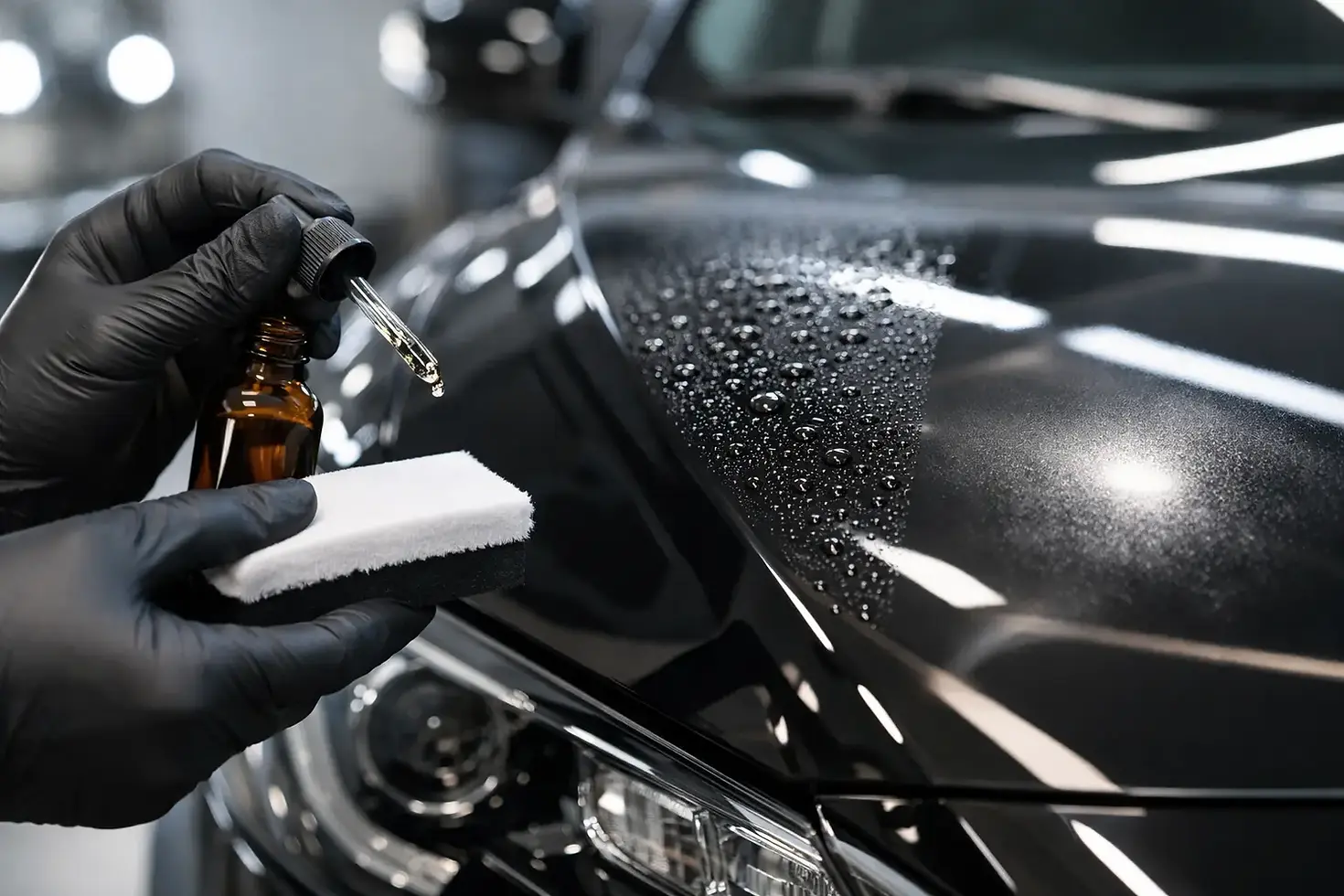
Ceramic coatings use advanced chemical protection that bonds to the vehicle's clear coat. Once cured, the coating creates a durable, hydrophobic layer that helps repel water, dirt, road film, and many everyday contaminants. It also adds gloss and can help reduce the damage caused by UV exposure, especially on vehicles parked outside.
That does not mean the coating cannot wear down. Sun, winter road salt, bug splatter, tree sap, automatic car washes, harsh cleaners, and regular driving all take a toll over time. The coating slowly loses some of its water behavior, slickness, and protective performance. It does not simply disappear overnight, but it is not permanent.
The word “permanent” can also be misleading because a ceramic coating does not stop every form of paint damage. Rocks can still chip paint. A shopping cart can still leave a scratch. Poor washing techniques can still cause swirls. Ceramic protection is valuable because it makes the paint easier to maintain and more resistant to many daily threats, not because it makes the vehicle damage-proof.
What a Ceramic Coating Actually Protects Against
For drivers around Elizabethtown and South Central Pennsylvania, a vehicle sees more than a little rain and dust. Seasonal weather brings road salt, slush, pollen, mud, insects, and plenty of UV exposure. A professionally applied ceramic coating helps reduce the impact of those routine conditions.
It creates a surface that is less likely to hold onto grime, which means washing is faster and safer when done correctly. Water tends to bead or sheet away, helping keep the vehicle cleaner between washes. The added chemical resistance also gives you more time to remove contaminants like bird droppings, bug residue, and tree sap before they stain or etch the clear coat.
The appearance benefit is just as noticeable. Ceramic coatings enhance gloss and depth, especially after paint correction has removed swirls, oxidation, and other defects. On dark paint, the difference can be dramatic. On lighter colors, the finish often looks cleaner and crisper.
Still, there are limits. Ceramic coating is not paint protection film. It will not reliably prevent rock chips, deep scratches, or damage from impact. Drivers who spend a lot of time on highways, gravel roads, or construction-heavy routes may benefit from combining paint protection film in high-impact areas with ceramic protection across the rest of the vehicle.
How Long Can a Ceramic Coating Last?
The realistic answer is that it depends. Professional-grade coatings can last several years, while entry-level products and spray-on ceramic protectants may last months rather than years. The quality of prep work matters just as much as the product label.
Before a coating is installed, the paint needs to be thoroughly cleaned, decontaminated, and often corrected. If a coating is applied over embedded contamination, oxidation, or swirls, it locks in an imperfect surface and may not bond as well as it should. Good results come from careful prep, controlled application, and proper curing time. There are no shortcuts if the goal is lasting protection.
A garage-kept weekend vehicle that receives careful hand washes may hold its coating performance longer than a daily commuter that sits outside through every Pennsylvania winter. That does not make ceramic coating a poor choice for daily drivers. In fact, daily drivers often see some of the biggest benefits because they are exposed to more grime and are easier to wash after coating. It simply means expectations should match real-world use.
The Biggest Factors That Shorten Coating Life
Frequent use of automatic tunnel washes is one of the most common reasons a coating loses its best performance early. The brushes can create swirls, while strong detergents and acidic or alkaline cleaners can weaken the coating over repeated visits. Touchless washes are generally less abrasive, but their chemicals can still be harsh if used often.
Neglect is another issue. Hydrophobic behavior is sometimes mistaken for a coating's entire health. When water stops beading as aggressively, the coating may be dirty rather than gone. Mineral deposits, traffic film, and contamination can clog the surface. A proper maintenance wash and decontamination treatment can often restore much of the coating's water behavior.
Poor washing tools also matter. Dirty towels, rough brushes, dish soap, and washing in direct sun can damage the finish you are trying to preserve. A coating makes maintenance easier, but it does not remove the need for good maintenance habits.
How to Help Your Ceramic Coating Last
The best approach is simple and consistent. Wash the vehicle regularly using pH-balanced car shampoo, clean microfiber towels, and a method that minimizes rubbing dirt across the paint. Do not let bird droppings, sap, bugs, or road salt sit for long, especially during summer heat or winter weather.
Drying matters too. Hard water can leave mineral spots on any vehicle, including one with a ceramic coating. Use quality microfiber drying towels or a filtered drying method when possible. If water spots appear, address them promptly rather than hoping the next rain will take care of them.
Periodic professional maintenance is worth considering, particularly for vehicles that are driven every day. A detailer can inspect the coating, remove bonded contamination safely, refresh the surface, and catch issues before they become more difficult to correct. This is also a good time to evaluate the paint, trim, wheels, and glass instead of focusing only on the hood and doors.
Is Ceramic Coating Worth It If It Is Not Permanent?
For many vehicle owners, yes. The value is not that you never have to wash your car again. The value is that your vehicle stays easier to clean, looks sharper, and has a better defense against the contaminants it faces every week.
Ceramic coating is especially worthwhile for owners who care about their vehicle's finish, plan to keep it for years, or want to protect a newer vehicle before the paint accumulates avoidable wear. It can also make sense for a well-maintained older vehicle after paint correction restores the gloss that has been hiding under swirls and oxidation.
It may be less practical for someone who wants zero maintenance, parks under trees every day without regular washing, or expects protection from major impacts and scratches. In that case, the issue is not that ceramic coating failed. It is that the product was asked to do a job it was never designed to do.
At AutoMPressions, the goal is not to sell a permanent promise. It is to provide affordable, expert care with proper preparation, quality products, and honest recommendations for how you actually use your vehicle.
A ceramic coating should be viewed like a strong, long-lasting layer of support for your paint. Treat it well, maintain it properly, and it can keep your vehicle looking polished through the miles, weather, and everyday messes that come with owning a car.