.png)
Window Tinting: What It Really Does
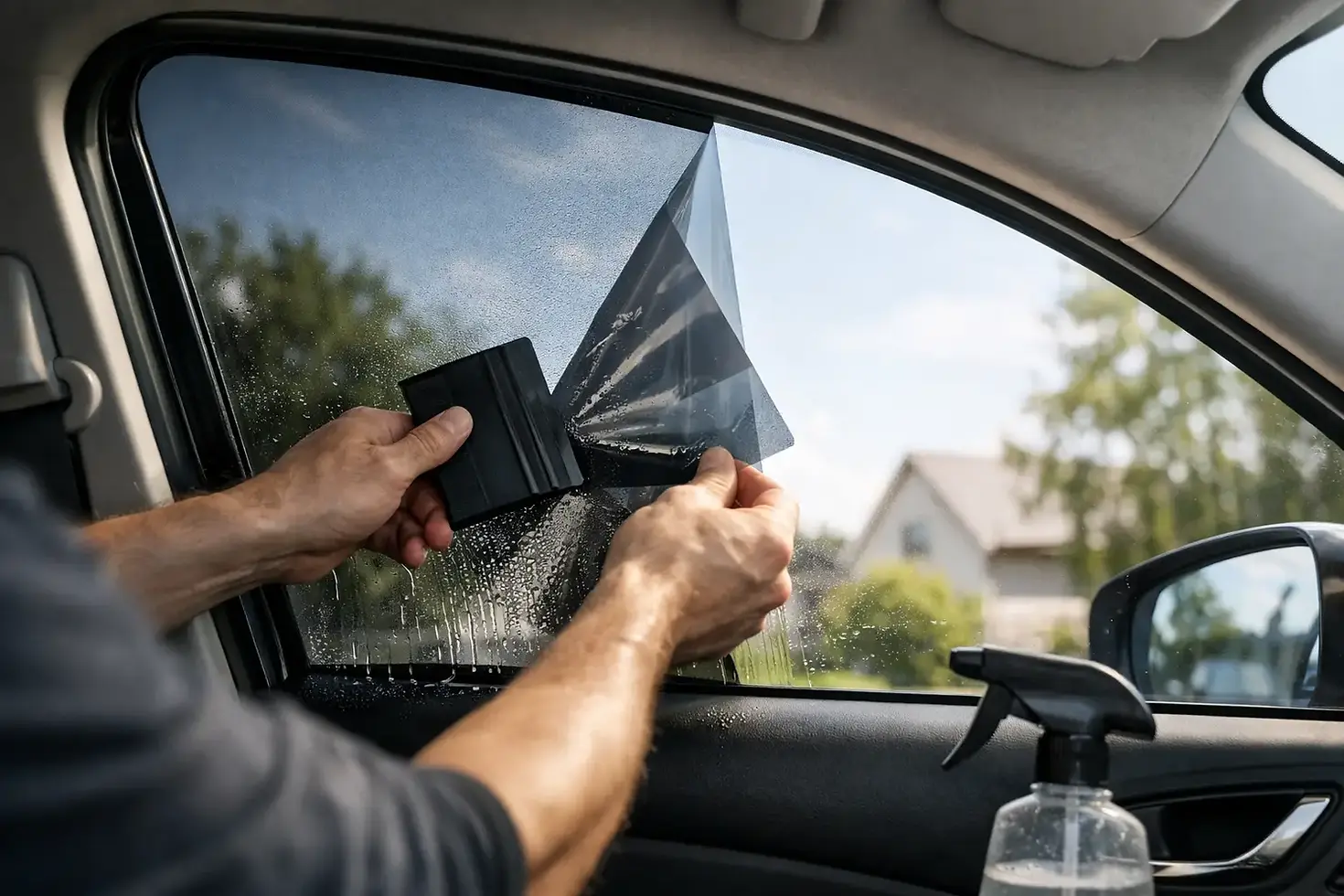
A lot of drivers start thinking about window tinting after one bad afternoon in a hot parking lot. You open the door, the steering wheel is scorching, the seats feel even worse, and the sun coming through the glass makes every commute harder than it needs to be. Good tint fixes more than comfort. It changes how your vehicle looks, how it feels on the road, and how well the interior holds up over time.
That is why window tinting is one of the most practical upgrades you can make to a daily driver, family SUV, or weekend car. It gives you immediate benefits you notice the same day, but it also protects the parts of your vehicle that are expensive to restore later.
Why window tinting matters more than most drivers think
A lot of people still think tint is mainly about appearance. It definitely sharpens the look of a vehicle, but the real value goes deeper. The right film helps reduce heat buildup, cuts harsh glare, and blocks UV rays that wear down your interior. That means less fading on seats, trim, and dashboards, and a more comfortable ride every time you get behind the wheel.
For commuters and families, that comfort matters. If you spend real time on the road, glare can become a daily annoyance, especially early in the morning or late in the afternoon. Tint helps soften that constant strain without making the cabin feel closed in. It can make long drives easier on your eyes and help passengers in the back seat stay more comfortable too.
There is also a privacy factor, and for many drivers that is a real benefit. A properly tinted vehicle makes it harder for people to see valuables, bags, or electronics left inside. It is not a substitute for common sense, but it does add a layer of discretion that a lot of owners appreciate.
What good window tinting actually does
Not all tint performs the same, and that is where many drivers get tripped up. Some films are built mainly for looks. Others are designed to deliver better heat rejection, UV protection, and long-term durability. On the surface, two vehicles can look similar, but the experience inside can be completely different.
High-quality window tinting should help with four things at once. It should reduce solar heat, cut glare, block damaging UV exposure, and keep a clean, even appearance over time. If the film turns purple, bubbles, peels, or looks patchy after a short period, it was never a good value to begin with.
That is why installation matters just as much as the film itself. Even strong materials can look bad in the hands of someone rushing through the job. Clean edges, consistent coverage, and careful fitting are what separate a professional result from something you regret every time you walk up to your vehicle.
The biggest benefits drivers notice first
The first thing most people notice is temperature. A tinted vehicle still gets warm in the summer, but not in the same punishing way. The cabin feels more manageable, and the air conditioning does not have to fight as hard to catch up.
The second thing is glare reduction. Bright sun reflecting off pavement, hoods, and surrounding traffic can make driving tiring fast. Tint helps take the edge off that brightness, which makes everyday driving feel less harsh.
Then there is the visual difference. Tint gives a vehicle a cleaner, more finished look. It can make factory glass look incomplete by comparison. For many owners, that polished appearance is part of the appeal. The vehicle simply looks better cared for.
The long-term benefit is interior preservation. Sun exposure slowly damages materials, especially if a vehicle spends a lot of time parked outside. Leather, vinyl, plastics, and upholstery all pay the price over time. Tint helps slow that process down.
Window tinting is not one-size-fits-all
This is where honest advice matters. The darkest option is not automatically the best option. What works well for one driver may be a poor fit for another.
If you drive mostly during the day and want a bold look with stronger privacy, you may lean darker within legal limits. If you commute before sunrise, drive rural roads often, or just prefer maximum visibility at night, a lighter film may be the smarter choice. Many drivers are surprised to learn that a quality film can still reject heat effectively without being extremely dark.
Your vehicle type also makes a difference. A full-size SUV with large glass areas can benefit from tint differently than a compact sedan or pickup. The amount of sun exposure your cabin gets, where you park, and how you use the vehicle all affect what makes sense.
Legal limits matter
Tint law is one of those areas where cutting corners can create problems later. Every state has its own rules on visible light transmission and where certain films can be installed. If tint is too dark or applied where it should not be, you can end up dealing with inspections, tickets, or the cost of removal.
That is another reason to work with a shop that takes the process seriously. Good service is not just about making the car look sharp when it leaves the bay. It is also about helping the customer choose a setup that performs well and stays on the right side of the law.
For drivers in Pennsylvania, this is especially worth paying attention to. You want tint that improves your driving experience without creating avoidable headaches down the road.
Why professional installation is worth it
DIY kits and bargain tint jobs can seem tempting, especially if the price looks good. The problem is that cheap work usually looks cheap for a reason. Dust trapped under the film, crooked edges, peeling corners, and uneven shrink lines stand out fast.
Professional window tinting is about precision. Glass has to be cleaned properly. Film has to be measured, cut, and applied with care. The finished result should look smooth, clean, and intentional, not rushed. It also needs to hold up through changing temperatures, everyday use, and years of sun exposure.
When a shop takes pride in its work, you can see it in the details. The tint sits right. The finish looks refined. The vehicle feels upgraded instead of patched together. That difference matters more than a low price that turns into a redo later.
When tint is especially worth it
Some upgrades are easy to put off. Tint usually is not once you have lived with it. If your vehicle sits outside during the day, if your commute includes a lot of direct sun, or if you have children or passengers in the rear seats often, the value becomes obvious quickly.
It is also a smart move if you are trying to keep a newer vehicle in better condition. Drivers who care about resale value tend to understand that preservation is cheaper than correction. Protecting interior materials now can save you from a worn, faded cabin later.
And if you have already invested in detailing, paint correction, or ceramic protection, window tinting fits naturally with that same mindset. It is part of taking care of the whole vehicle, not just the exterior panels people notice first.
Choosing the right shop for window tinting
The best shop is not always the one with the lowest number on a quote. You are looking for a place that uses quality film, respects the legal limits, and does careful work without shortcuts. You also want clear communication. If a shop cannot explain your options in plain terms, that is a problem.
A good tint experience should feel straightforward. You should know what film you are getting, what benefits to expect, how to care for it after installation, and what kind of durability stands behind the job. Honest service goes a long way here.
That is the standard drivers should expect from a local business built on workmanship and trust. At AutoMPressions, that approach matters because people are not just paying for darker glass. They are paying for comfort, appearance, protection, and a result that looks right every day after.
Window tinting is one of those upgrades that earns its keep quietly. You notice it when the sun is harsh, when the cabin stays more comfortable, and when your vehicle still looks sharp months and years later. If you want something that improves the drive and protects what you own, tint is a smart place to start.