.png)
Ceramic Tint Film Review: Worth the Cost?
A ceramic tint film review should answer one practical question: will it make your vehicle more comfortable enough to justify the higher price? For many South Central Pennsylvania drivers, the answer is yes. A quality ceramic film can cut down harsh summer heat, reduce glare on Route 283 or the Turnpike, and protect the interior without making your windows look overly dark.
The key word is quality. Ceramic tint is not a magic product, and a poor installation can ruin the benefits of even a premium film. The film choice, window shade, vehicle type, and installer’s workmanship all matter.
What Ceramic Window Tint Actually Does
Ceramic window film uses non-metallic ceramic particles to manage solar heat and infrared energy. Infrared heat is a major reason a vehicle feels hot inside after sitting in the sun. Ceramic film is designed to reject more of that heat than basic dyed tint while keeping a clear signal path for phones, GPS, key fobs, and radio reception.
That is a meaningful difference from older metallic films. Metalized films can perform well for heat reduction, but their construction may interfere with electronic signals. Ceramic film avoids that concern, which makes it a strong fit for newer vehicles loaded with antennas, cameras, sensors, and connected features.
Most reputable ceramic films also offer strong UV protection. That matters for more than comfort. UV exposure can contribute to fading on leather, plastic trim, dashboards, and upholstery over time. It also adds another layer of protection for the people riding in the vehicle.
Ceramic tint does not change the fact that a dark dashboard, black seats, and a vehicle parked in direct sunlight will get warm. What it can do is reduce the intensity of that heat, help the cabin cool down faster, and make daily driving less punishing during a Pennsylvania summer.
Ceramic Tint Film Review: The Benefits You Notice
The first benefit most drivers notice is comfort. You may not step into an ice-cold vehicle after a long workday, but the steering wheel, seats, and interior surfaces are often noticeably less brutal. Once the air conditioning is running, it does not have to work as hard to bring the cabin back to a comfortable temperature.
Glare control is another major win. Low sun during early morning commutes and late-afternoon drives can make visibility tiring, especially on wet roads. A properly selected film helps soften that glare without forcing you into a shade that feels too dark at night.
Ceramic film also gives drivers more flexibility. Because it rejects heat efficiently, a lighter ceramic shade can often deliver better comfort than a much darker entry-level film. That is useful for drivers who want a clean, factory-style appearance, want better nighttime visibility, or need to stay within Pennsylvania tint rules.
There is also the appearance factor. A professionally tinted vehicle usually looks more finished. The windows tie the exterior together, give the cabin a more private feel, and can make even a well-used daily driver look sharper. That visual result matters, but it should not be the only reason to choose ceramic. The heat and UV performance are where the premium price earns its keep.
The Trade-Offs: Price, Expectations, and Film Shade
Ceramic tint costs more than basic dyed film, sometimes substantially more depending on the vehicle and the film line. For a driver who plans to sell a car soon, rarely drives during hot weather, or simply wants darker windows at the lowest upfront cost, a lower-tier film may be enough.
For owners keeping a vehicle for several years, the value is easier to see. Families with kids in the back seat, commuters, rideshare drivers, truck owners, and anyone with a black or dark-colored interior tend to benefit most. The same is true for drivers who care about preserving a newer vehicle’s interior condition.
Shade selection is where people sometimes get it wrong. Darker does not automatically mean cooler. Visible light transmission, or VLT, describes how much visible light passes through the glass and film. Heat rejection is measured differently. A light ceramic film can offer serious heat control, while a very dark basic tint may mostly change the look.
That is why a good installer should ask how you use the vehicle. Do you drive at night often? Is the vehicle used for school drop-offs? Do you park outside all day? Are you trying to reduce heat, add privacy, or both? Honest answers lead to better results than simply choosing the darkest shade available.
Installation Quality Is Part of the Product
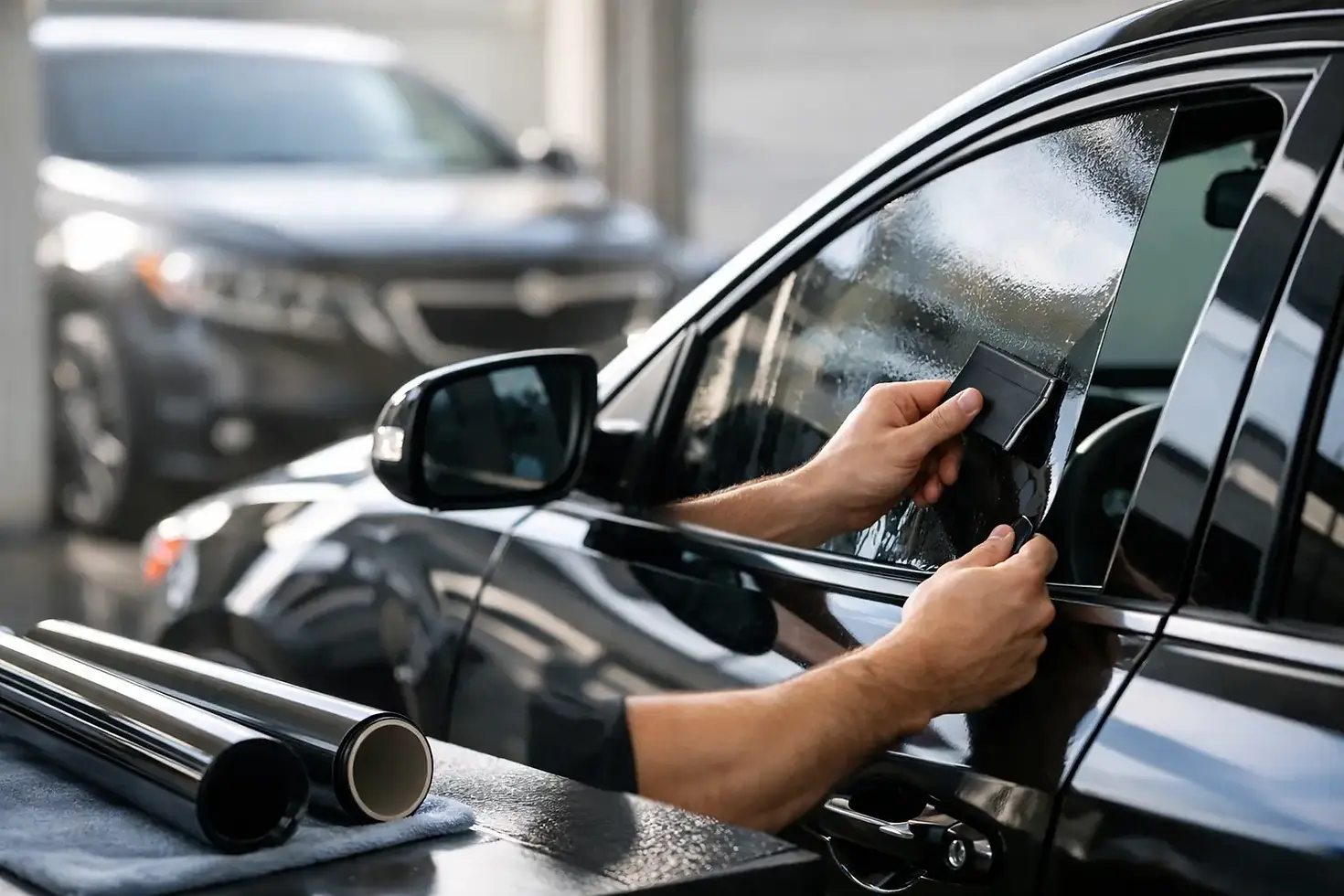
A premium film cannot cover up careless workmanship. Clean glass preparation, precise cutting, proper squeegee technique, and careful edge finishing make a major difference in how tint looks and lasts.
After installation, it is normal to see some light haze or small water pockets while the film cures. This is especially common during cooler or humid weather. Those temporary signs should gradually clear as moisture evaporates. Large bubbles, contamination trapped under the film, crooked edges, peeling corners, or gaps that look sloppy are not normal signs of curing.
Rear windows can be especially demanding because the installer must heat-shrink the film to match curved glass. Defroster lines, tight seals, and complex quarter windows also require patience. No shortcuts here. The best tint work looks simple because the detailed work happened before you ever picked up the vehicle.
At AutoMPressions, the goal is not just darker glass. It is a clean, polished finish that improves how your vehicle looks and feels every time you get behind the wheel.
Questions to Ask Before Choosing Ceramic Tint
Before scheduling window tint, ask what specific film line will be installed and what warranty comes with it. “Ceramic” is a broad category, and performance ratings can vary from one manufacturer and product line to another. Ask about the heat-rejection rating at the shade you are considering, not only the best number shown for the darkest film.
You should also ask whether the film is color-stable and whether it is designed to resist fading, peeling, bubbling, and discoloration. Quality film backed by a clear warranty gives you more confidence than a vague promise of “lifetime tint.”
Finally, talk about local regulations before selecting a shade. Pennsylvania window tint rules can affect what is appropriate for front side windows, rear side windows, and back glass. A professional shop can help you make a smart choice, but the vehicle owner is ultimately responsible for compliance. Choosing a balanced, legal-looking shade is usually the better long-term decision than going too dark and regretting it later.
Ceramic vs. Dyed and Carbon Film
Dyed tint is often the budget option. It can improve appearance, reduce some glare, and provide a darker look for less money. Its weaker point is heat performance and long-term color stability. Lower-quality dyed films can fade toward purple or brown over time, especially when exposed to repeated sun and weather.
Carbon film generally sits in the middle. It can offer better heat rejection and a richer black appearance than basic dyed film, often without signal interference. It is a respectable option for owners who want an upgrade but are not ready for ceramic pricing.
Ceramic is the choice when performance is the priority. It typically delivers stronger infrared heat rejection, excellent clarity, no metal-related signal concerns, and dependable long-term comfort. It is not always necessary for every vehicle, but it is often the right fit for drivers who want to do the job once and enjoy the difference every day.
Is Ceramic Tint Worth It for Your Vehicle?
Ceramic tint is worth serious consideration if your vehicle spends time outside, your commute involves regular sun exposure, or you are tired of climbing into a cabin that feels like an oven. It is also a smart protective upgrade for newer vehicles, leather interiors, and drivers who take pride in keeping their vehicle in good condition.
The best result comes from matching the film to the vehicle and the driver, then having it installed with care. Choose the shade for your real driving habits, ask direct questions about performance and warranty, and do not let the lowest price make the decision for you. A well-installed ceramic tint can be one of those upgrades you appreciate every single time the sun is out.